Mold remediation in Sarasota costs $500–$6,000 for most residential jobs, set by area affected and whether materials must be removed. The work is containment, physical removal, and HEPA filtration, plus correcting the moisture source, which on the Gulf Coast is usually indoor humidity rather than a leak.
Here's what proper remediation actually involves, and how to tell it from the version that just looks like it.
The standard, in the order it happens
Remediation isn't one action, it's a sequence, and skipping steps is how a job fails:
- Find and stop the water. Nothing else matters until this is done. In Sarasota it's frequently a humidity source, not a pipe.
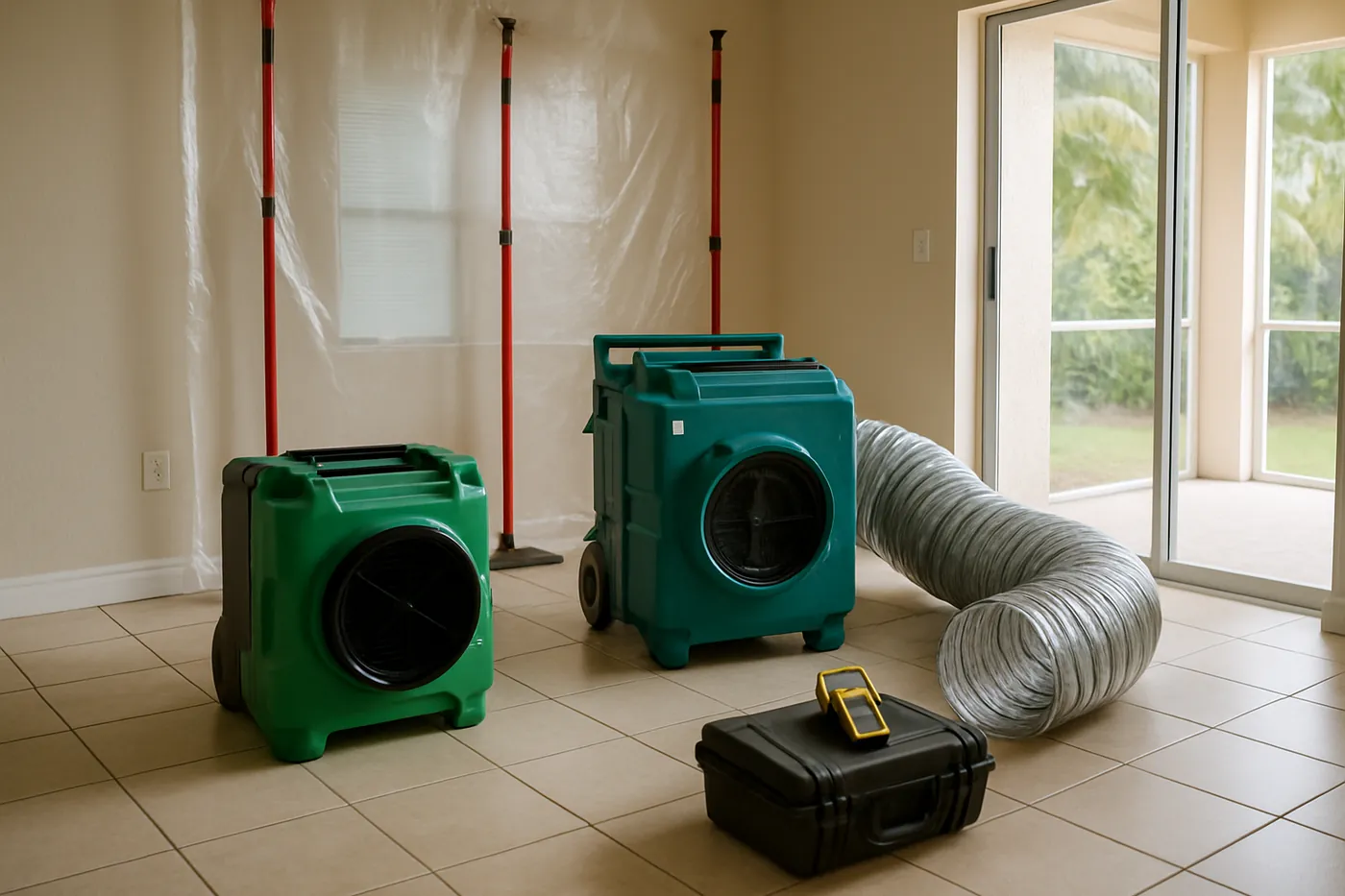
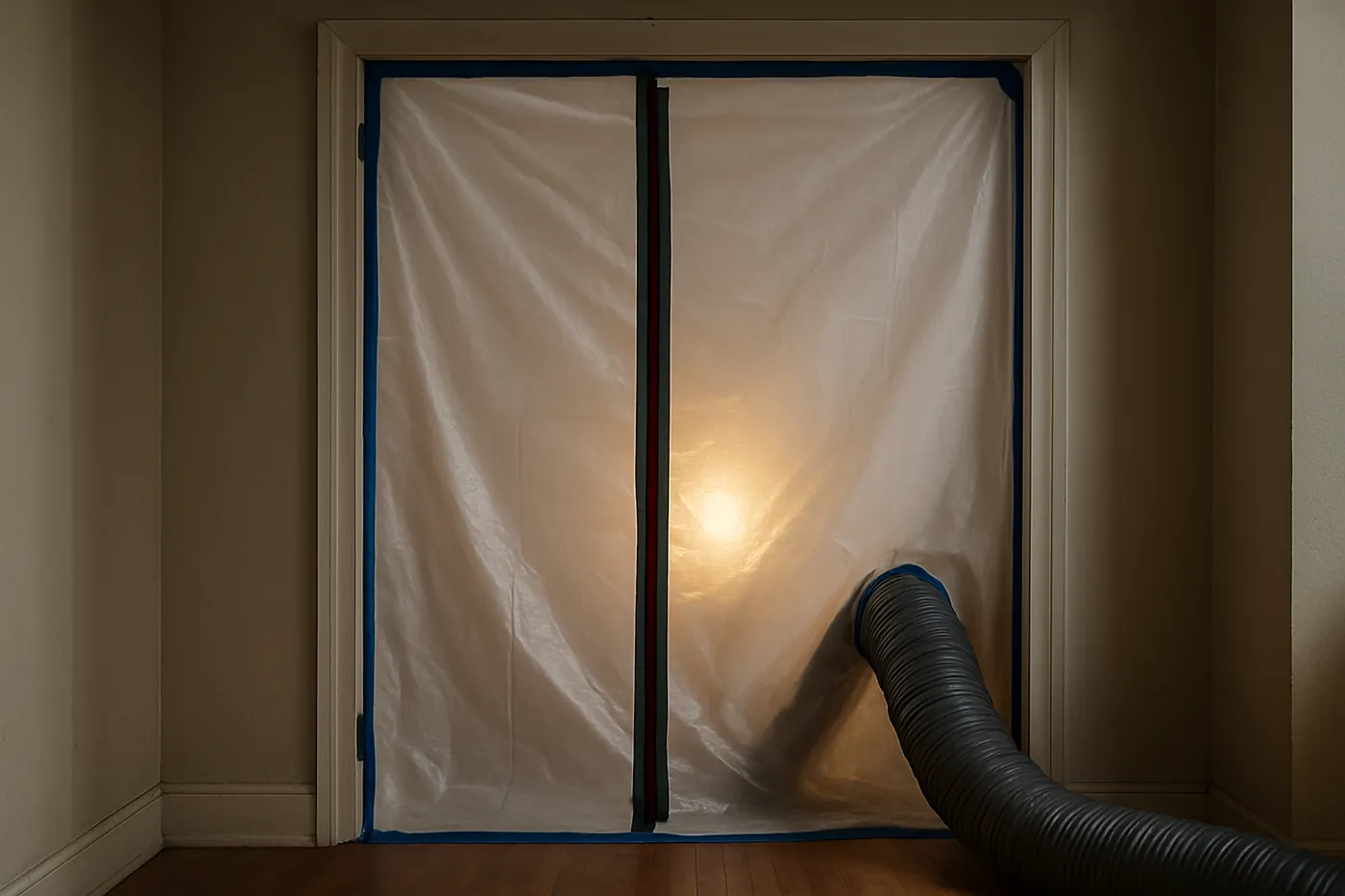
- Contain the area. Plastic barriers plus negative air pressure, so removal doesn't distribute spores through the rest of the house.
- Remove what can't be cleaned. Porous material that grew mold (drywall, insulation, carpet pad, ceiling tile) comes out. Non-porous surfaces get cleaned.
- HEPA-filter and clean. Air scrubbers run through the work and after it; surfaces get HEPA vacuumed and wiped.
- Dry to a measured target. Moisture meters, not calendars, decide when materials are dry enough to close up.
- Rebuild. Only after the readings are right.
Removal, not treatment
This is the distinction that separates real remediation from an expensive appearance of it. EPA guidance is direct: the job is physically removing the mold and the porous material it colonized. Mold does not need to be alive to cause a problem, so killing it and leaving it in place doesn't finish the job.
Which means a company offering to fog your house, spray an antimicrobial, or run an ozone machine instead of opening the wall is selling something that will not resolve the situation. Those tools have narrow legitimate uses on already-cleaned surfaces. None of them substitutes for removal, and any bid built around them deserves a hard second look.
What drives the price
- Area affected: measured, not estimated from a doorway
- Material removal and rebuild, often the largest single line, and the reason early calls cost less
- Containment complexity: an open floor plan needs more barrier than a closed room
- Access: wall cavities, duct chases, and under-slab flooring cost more to reach than an open surface
- The moisture correction: priced separately and honestly, because it's frequently the cheaper half and always the necessary one
Where remediation ends and prevention starts
A finished job in this market includes a number: indoor relative humidity you can hold under about 60 percent year-round. Get there and regrowth is largely off the table. Miss it and the same wall is a candidate again next wet season, whatever was removed.
That's why a good scope names the humidity strategy alongside the removal: an AC system that actually dehumidifies, a standalone dehumidifier, a bath fan that vents outside instead of into the attic. Those lines are usually inexpensive, and they are the difference between a repair and a subscription.
What actually drives the price?
Sarasota remediation pricing has a fifth driver the table cannot show: time. Growth in a vacant seasonal home works uninterrupted through the whole wet season before anyone sees it.
| Situation | What it means | The local multiplier |
|---|---|---|
| How far it spread | Square footage sets the containment and the labour | A summer unobserved multiplies spread: vacancy is a square-footage machine |
| What it grew into | Drywall and insulation leave; framing cleans in place | Cabinetry and base plates in block homes take the loss before framing does |
| Where it lives | Wall cavities and chases cost more than open surfaces | AC closets and duct chases are this market's hidden-growth addresses |
| Whether the water is fixed | Remediation over an unfixed source is rework with a date on it | In a seasonal home the source is often the AC schedule itself. Fix that first |
Most residential work runs $500-$6,000 by spread. For seasonal owners, the practical version of this page is: have someone open the house in August, not October.
Remediation questions, straight answers
What does mold remediation cost in Sarasota?
Most residential jobs run $500 to $6,000, driven by square footage affected, whether materials must be removed and rebuilt, and how much containment the layout requires. A single bathroom wall sits at the low end; growth spread across several rooms after storm intrusion sits at the high end. Many local specialists don't charge for the inspection that produces the number; ask when they call.
How long does remediation take?
Most residential jobs run one to three days of active work, plus drying time where materials got wet. Containment goes up first, removal and HEPA cleaning follow, and air scrubbers typically run through the job and beyond it. Larger or storm-related jobs run longer, and a written scope should state the timeline before work starts.
Do we have to move out?
Usually not. Containment with negative air pressure is designed specifically so the rest of the house stays usable while one area is worked. Where the affected area is large, includes the only bathroom, or involves someone in the household with a respiratory condition, a good specialist will say plainly that staying elsewhere is the better call.
Will the specialist fix what caused it?
A good specialist identifies it and prices the correction, and in this market that's frequently a humidity problem rather than a leak. An AC system that isn't dehumidifying, a bath fan venting into the attic, a house closed up through the wet season. Remediating without addressing the moisture source is buying the same job twice.
Should fogging or chemical treatments be used?
Not as a substitute for removal. EPA guidance is clear that the job is physical removal of the growth and the material it grew on, not spraying it. Antimicrobials have a limited role on cleaned surfaces, but any company selling fogging as the remediation itself is selling something that doesn't work.
Get a Sarasota mold inspection
Tell us what you’re seeing or smelling: a musty room, staining on a wall base, discoloration in the AC closet, humidity that never drops. We pass your request to one local specialist serving Sarasota, who calls you back to set up an inspection.